

High Street House
High Street House is a 1,600-square-foot weekend home for a small family in Ludlow, Vermont, near Okemo Mountain. Built to Phius CORE 2021 standards (and to entertain friends), it's a model proving passive homes are possible in a truly cold 6A climate — and on a modest budget.

Staying Warm—and energy efficient—during New England winters
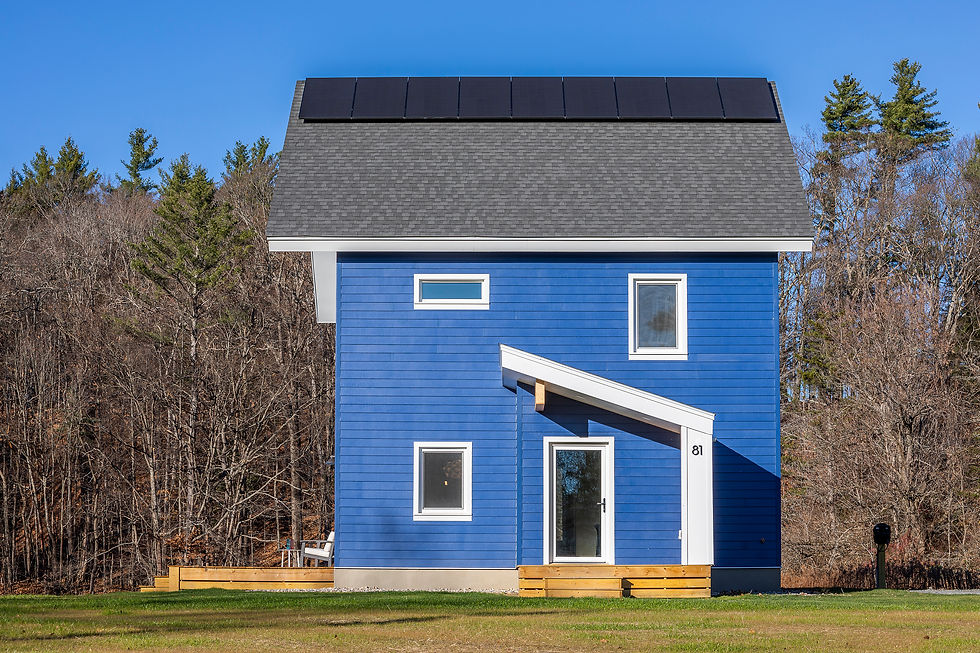
The three-story house is a modern update on the classic Vermont ski house: a steeply pitched roof, small windows, and a compact plan tuned for heat retention. Because the house loses so little heat, a single two-ton heat pump serves all three floors. Skepticism toward heat pumps runs deep in this part of Vermont, but High Street proves it's possible to make it through a New England winter—comfortably—without a furnace or boiler.
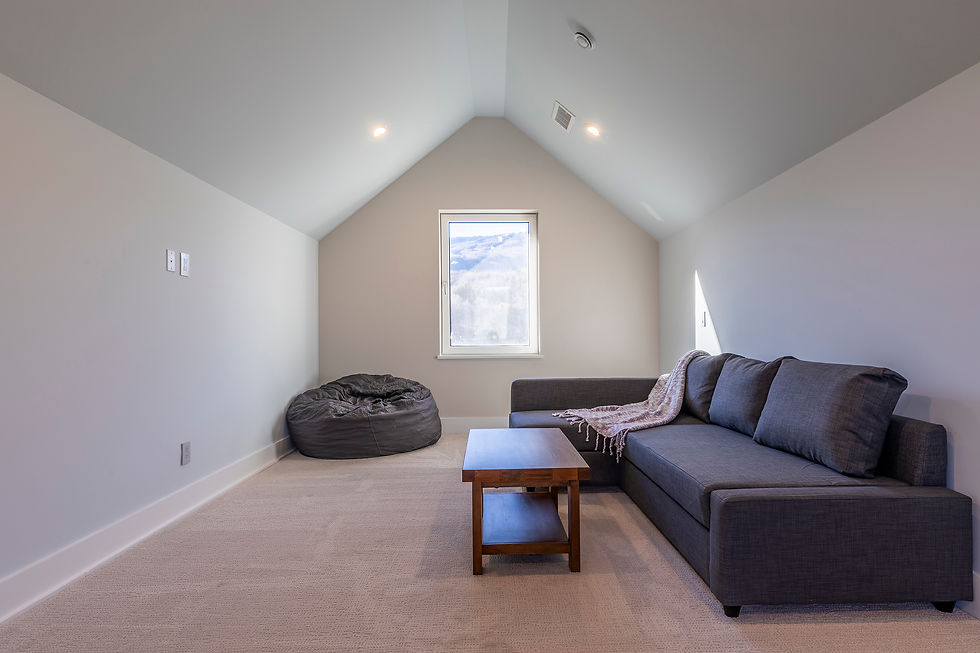
All this equipment is puzzled into a mechanical closet and under-stair crawlspace, preserving an open interior for gathering that makes the house feel much larger than its size.
Empower Empower Growth Empower Growth Empower
While the compact form saves money and energy, it also raises the technical bar — a small house actually has more opportunities for heat to escape. High Street House meets that challenge with a highly insulated envelope: bright blue siding over structural insulated panels (SIPs), punctured with 12 windows placed to maximize daylight (and mountain views) and selected to limit heat loss.
The SIPs reduced labor costs and the construction timeline, so the home was ready in time for ski season.


Staying Warm—and energy efficient—during New England winters
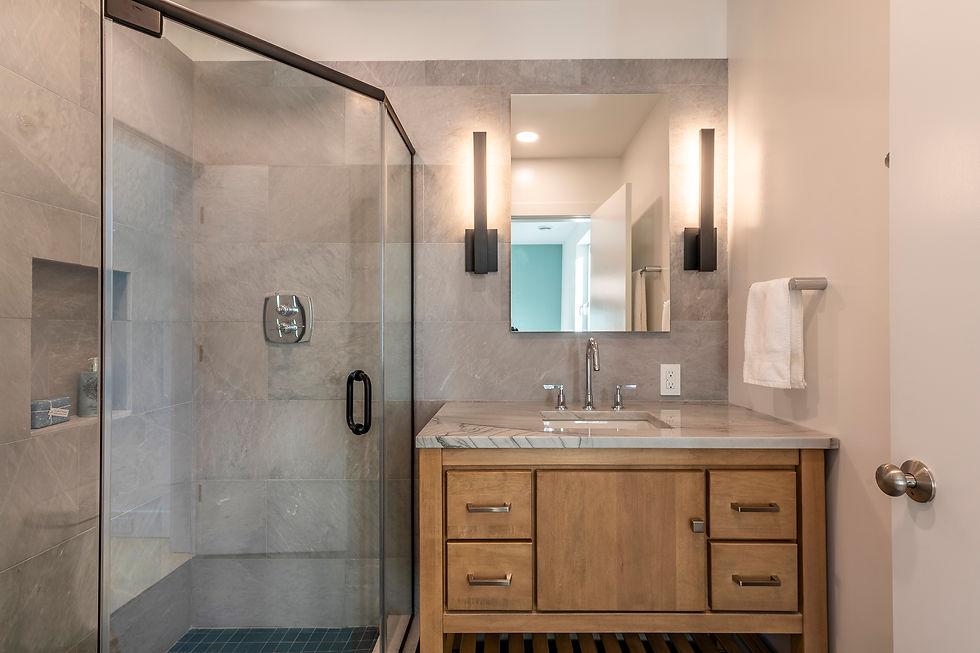
The budget was spent where it matters most: the exterior envelope. Inside, finishes and fixtures are simple and unpretentious, selected for both efficiency and economy. Multiple floors are finished in birch plywood, appliances are high-efficiency but midrange, porcelain tile replaces stone, and countertops are all remnants purchased locally. It’s comfortable. It’s cozy. And no one minds if there’s a little snow and mud on the floor.
For the contractor, there was a bit of a learning curve with the high-performance details, but they rose to the challenge and left with experience that will, hopefully, encourage future passive construction in this corner of Central Vermont.



Gallery — hover mouse over arrows to scroll; click to enlarge
